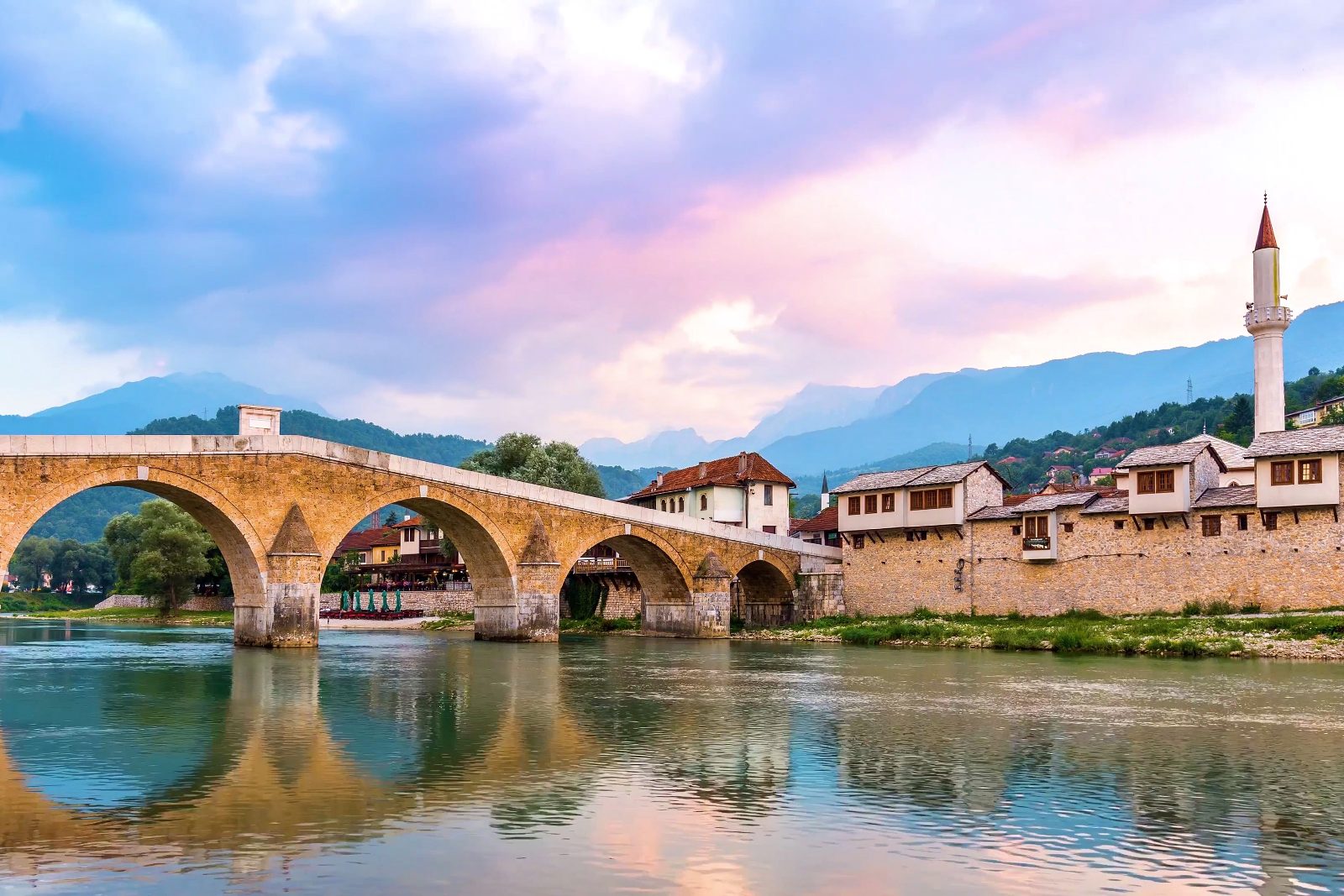
Konjic
60 km from Sarajevo
Known for the Old Stone Bridge and its proximity to the Tito Bunker, this town serves as a midpoint between the two cities.
Two cities, one river corridor, and a road that climbs hard before it descends. This distance from Sarajevo to Mostar guide sets out the road length, the honest drive time, and the conditions that pull those two numbers apart. It explains why the map figure and the clock figure so rarely agree.
Quick answer
The distance from Sarajevo to Mostar is about 130 kilometres by road along Route M17, or roughly two to two and a half hours of driving. The corridor is a public road, free to use at 0 BAM and open 00:00–23:59 daily. The recommended arrival window is 08:00–10:00, before mid-day traffic and peak-season heat build.
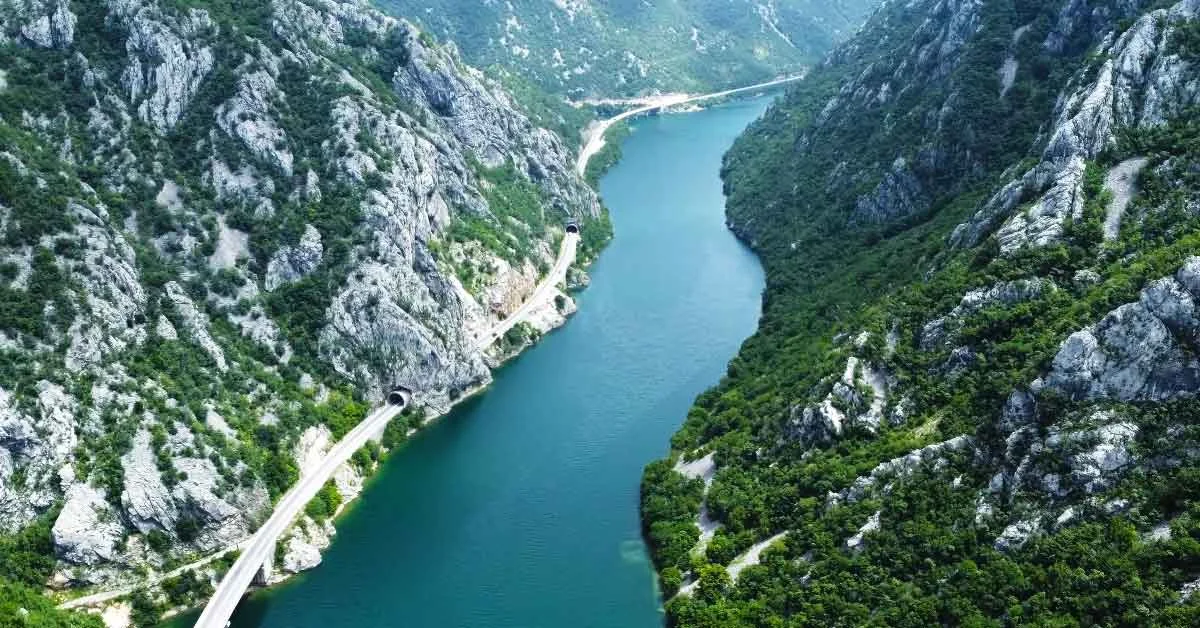
As the crow flies, barely 70 kilometres separate the two cities. The road figure is close to double that. The distance from Sarajevo to Mostar is inflated by geography: the M17 must cross Ivan Pass, the roughly 967-metre saddle dividing Black Sea drainage from Adriatic, then follow the Neretva down through a canyon that permits no shortcuts. Kilometres, in Herzegovina, are a poor unit of measurement. Gradient, tunnel, and the single lane behind a slow truck matter more. Drivers who plan by map distance alone routinely underestimate the day, and those who plan by the clock alone forget the road is worth looking at. The corridor itself is the reason the number holds steady in guidebooks. South of Sarajevo the road climbs through Bradina, drops into Konjic with its rebuilt Ottoman stone bridge, then skirts the turquoise reservoir at Jablanica, where roadside grills have been a fixed point on this run for decades. From there the Neretva does the navigating. The railway line shadows the same canyon, threading tunnels the road cannot use, which is why a Sarajevo to Mostar drive and the equivalent train journey rarely produce matching clock times. Sections of Corridor Vc, the motorway being built in stages along this axis, gradually shave minutes off the southbound run. Any udaljenost od Sarajeva do Mostara quoted online is therefore a snapshot, accurate for the month it was written and worth re-checking before departure. What the reader does with the figure matters more than the figure itself. Route M17, Sarajevo to Mostar, Bosnia and Herzegovina is a public road: no gate, no ticket desk, no closing time, and nothing to pay. It stays open 00:00–23:59 every day of the week, which is less a convenience than an invitation to misjudge the hour. Freedom of that kind cuts both ways. Nothing stops a traveller leaving at noon in August and reaching Mostar with the light gone flat and the Stari Most crowded shoulder to shoulder. Treating the distance from Sarajevo to Mostar as a budget rather than a fact — one to be spent on Konjic, on a Neretva viewpoint, on the long descent into Herzegovina — is what separates a transfer from a Sarajevo to Mostar day trip. The kilometres are fixed. Everything else is a decision.
“Kilometres, in Herzegovina, are a poor unit of measurement.”
Sarajevo and Mostar are connected primarily by Route M17, which traverses the mountainous terrain of central Bosnia and Herzegovina. This corridor serves as the main artery for both road and rail travel between the capital and the Herzegovina region.
Route M17 from Sarajevo to Mostar
Željeznice Federacije Bosne i Hercegovine from Sarajevo Station to Mostar Station
Autobuska Stanica Sarajevo to Mostar Bus Station
Address: Route M17, Sarajevo to Mostar, Bosnia and Herzegovina. The best arrival window is 08:00–10:00 to avoid mid-day traffic and heat during peak tourist season.
This plan suits independent travellers making the Sarajevo–Mostar run as a single day return, covering roughly 130 km each way along Route M17. Budget 11 to 12 hours door to door, with about four hours of that spent on the road.
Leave between 08:00 and 10:00 to clear the city before mid-day traffic builds. Allow 20 minutes just to reach the Ilidža edge of town on a weekday.
The M17 tracks the Neretva past Konjic and Jablanica, where the road narrows to single lanes through the gorge. Factor 15 to 20 minutes of slow going behind lorries here rather than trying to make time.
Park on the Šemovac or Rade Bitange side and walk in; the old town core is closed to cars. Expect 10 minutes on foot to the riverbank.
Cross the bridge, then work up the copper-lined Kujundžiluk lane. Ninety minutes covers both at a slow pace, with divers usually performing from late morning.
Climb the minaret for the standard view back over the bridge. The stair is single-file, so queues of 15 minutes are common in summer.
Riverside terraces below the bridge run about an hour, longer when full. Sit on the Cernica bank for shade after midday.
The smaller Kriva Ćuprija and the surrounding lanes take 45 minutes and are quieter than the main crossing.
Head back before dusk, as the canyon section is unlit and slow after dark. Arrival in Sarajevo lands around 19:00 without stops.
The route between Sarajevo and Mostar follows the Neretva River, offering several historical and natural stops that provide context to the region. Incorporating these locations allows travelers to break up the drive while exploring the cultural landscape of Herzegovina.
60 km from Sarajevo
Known for the Old Stone Bridge and its proximity to the Tito Bunker, this town serves as a midpoint between the two cities.
80 km from Sarajevo
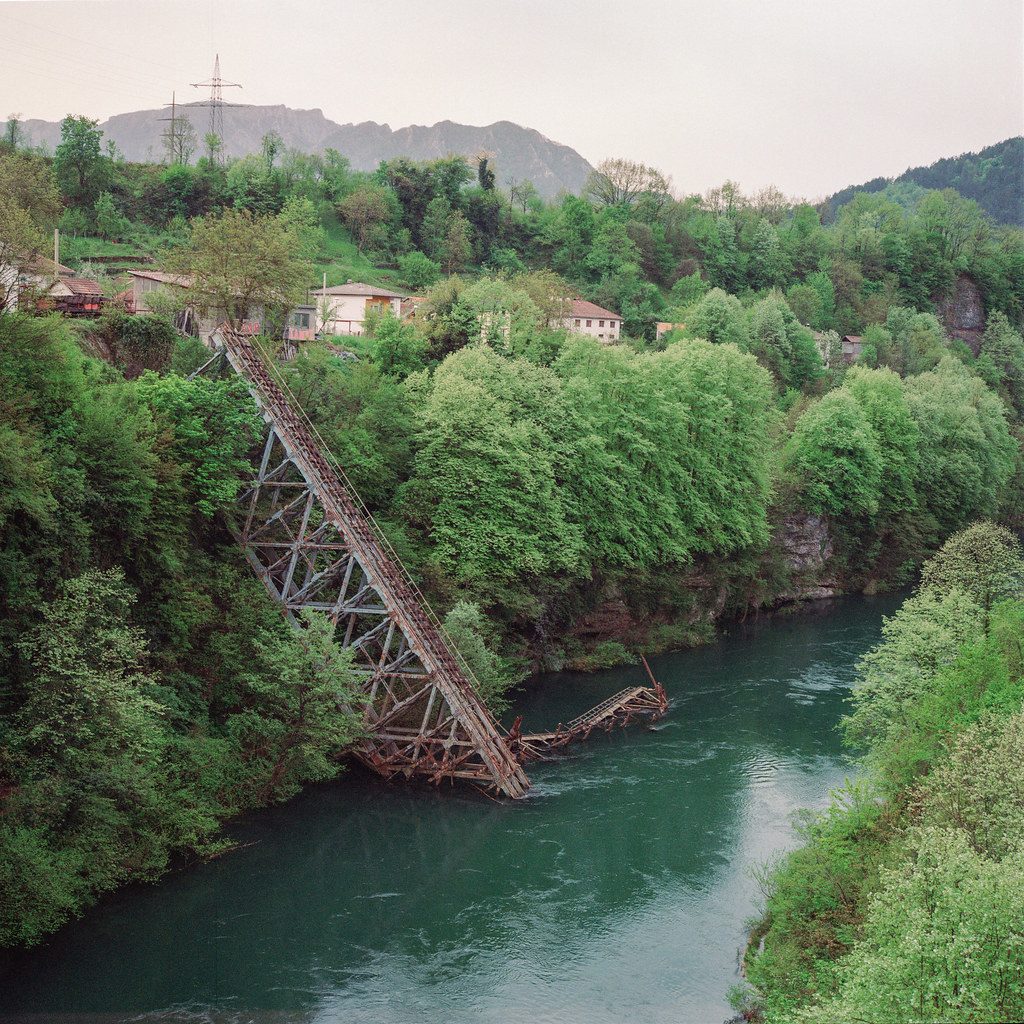
This town is noted for the Museum of the Battle for the Wounded on the Neretva River and local culinary traditions.
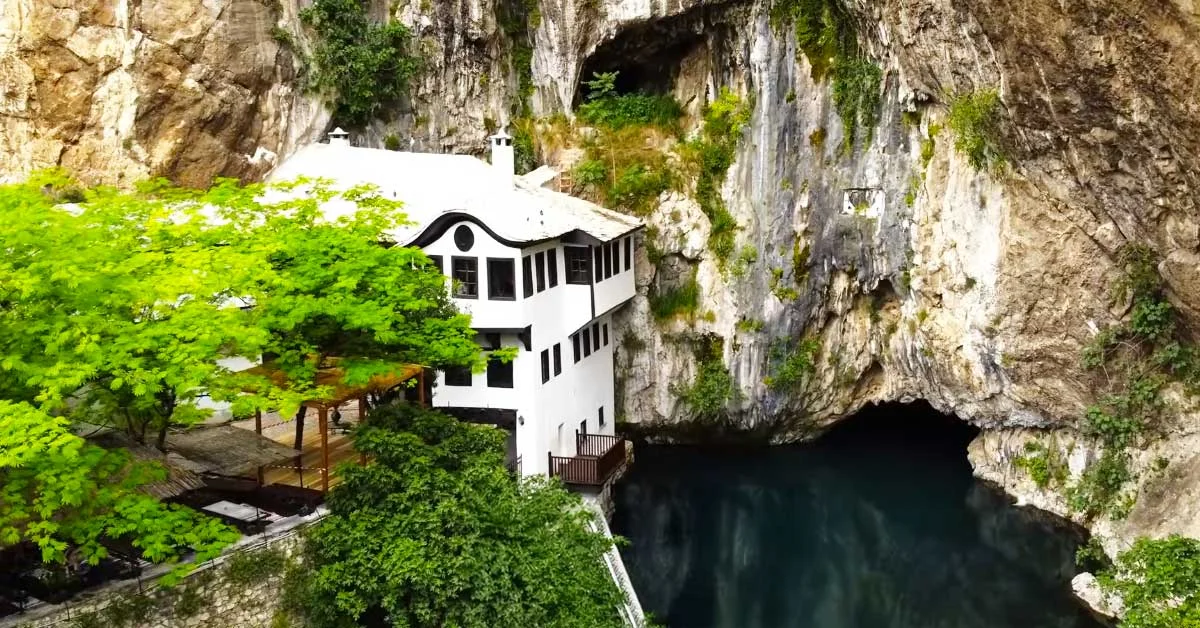
12 km from Mostar
Located near the source of the Buna River, the Dervish Tekke offers insight into the religious history of the area.
Everything you need to know about distance from sarajevo to mostar
The distance from sarajevo to mostar via the M17 road is approximately 130 kilometers. This scenic drive takes you through the heart of the Herzegovina region.
Travelers typically spend about 2.5 hours driving between these cities depending on traffic. You should plan your journey to account for potential stops along the mountain terrain.
There is 0 BAM for this route as it is a public road. You do not need to pay any entrance fees for transit.
The best arrival window for your departure is 08:00–10:00 to avoid mid-day traffic and heat during peak tourist season. This timing allows for a more comfortable experience across the region.
Yes, many visitors choose to combine these Bosnian landmarks into a single day trip. The proximity makes it a popular route for those exploring the country.
The M17 is a primary road and remains the main artery for transit in the area. Always check local conditions before starting your drive through this scenic Herzegovina corridor.